A garden held by one studio, from first light to last season.
Wilderhart designs, builds and plants large private gardens. The drawing, the groundworks, the stonework and the planting stay under one roof, so the garden you stand in is the garden that was drawn.
Most gardens are drawn by one hand and built by another. Ours are not.
The gap between the design and the build is where good gardens quietly lose their nerve. We close it by keeping the whole arc in one studio - the sketch, the survey, the stone, the planting - so nothing is lost in translation.
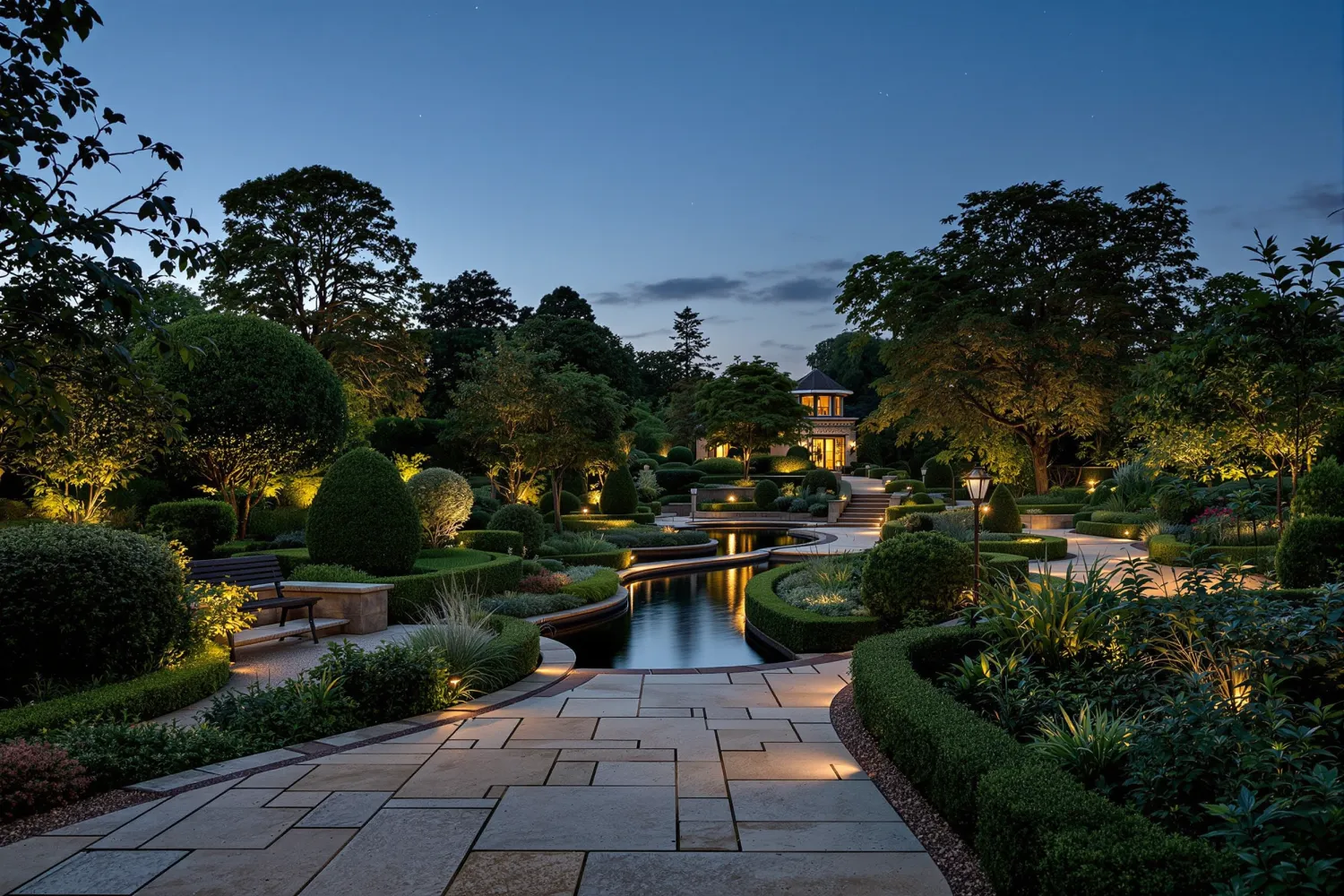
We work slowly, on a small number of large gardens.
Wilderhart takes on a handful of private commissions each year. Each one is led personally by the founding designer and built by our own team, the same people from groundworks to the final planted pot.
We are interested in gardens that ask something of us: a difficult level change, a garden that wants to feel older than it is, an outdoor room that has to work in February as well as July. The constraint is the brief, never the budget alone.
Four disciplines, one continuous hand.
A Wilderhart garden moves through these as one project, not four handovers. The same studio holds the thread from the first measured drawing to the last season of planting.
Garden design
Survey, concept and full design, in scaled plans, elevations and 3D models. We design the whole garden as one composition, including how it reads at night and through the dim months.
Construction & build
Groundworks, drainage, retaining walls, terracing, stonework, decking and bespoke joinery, built by our own team. Hard landscaping done once, done to last.
Planting design
Structural and seasonal planting chosen for colour, form, texture and the way a garden changes month to month. We plant for the long, slow years, not the opening photograph.
Outdoor living
Garden rooms, sunken lounges, kitchens, fire features, water and lighting. The parts of a garden that turn it from a view into a place you sit.
A few of the gardens we have made.
Private commissions across the Cotswolds and Home Counties. Each was designed, built and planted by the studio.
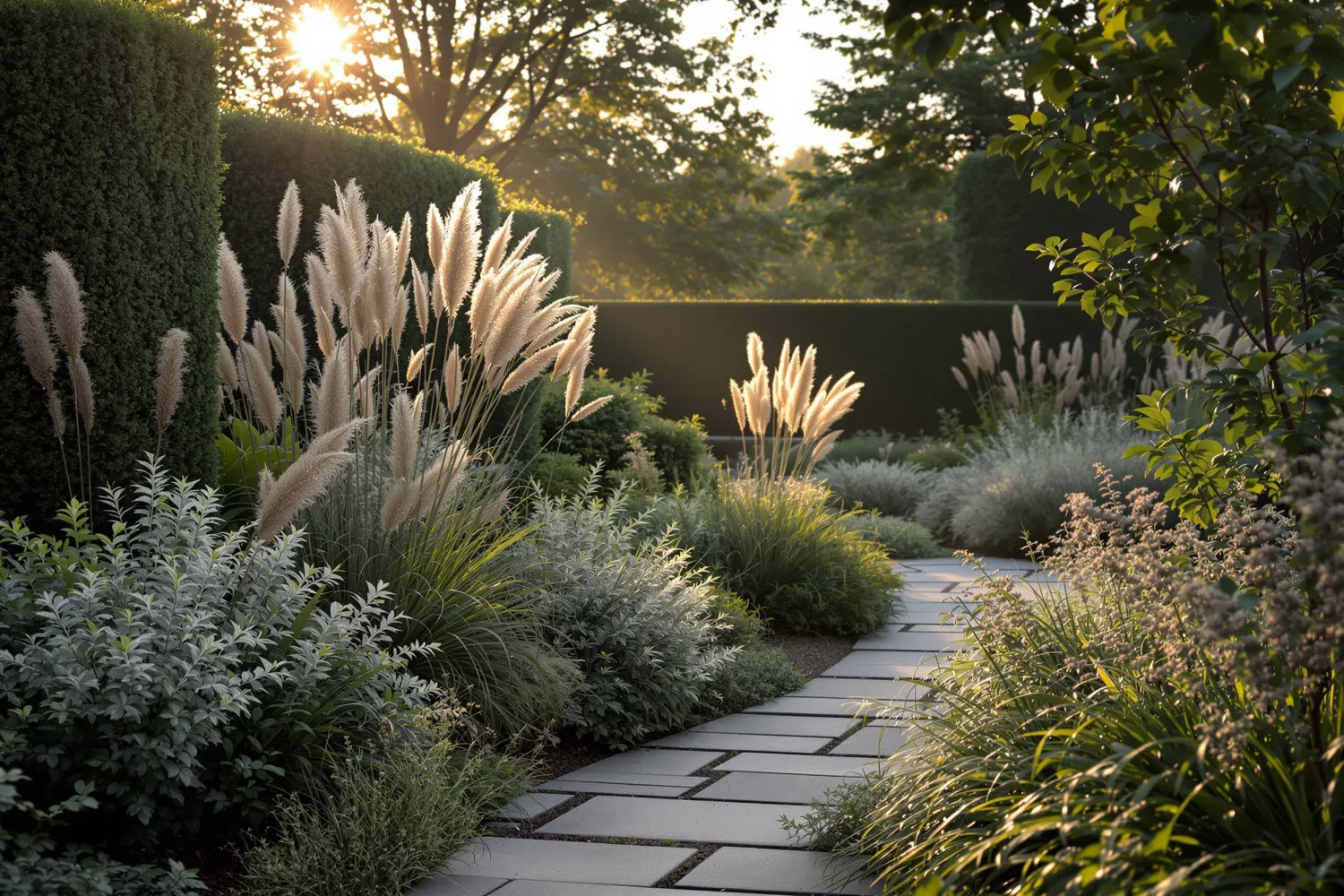
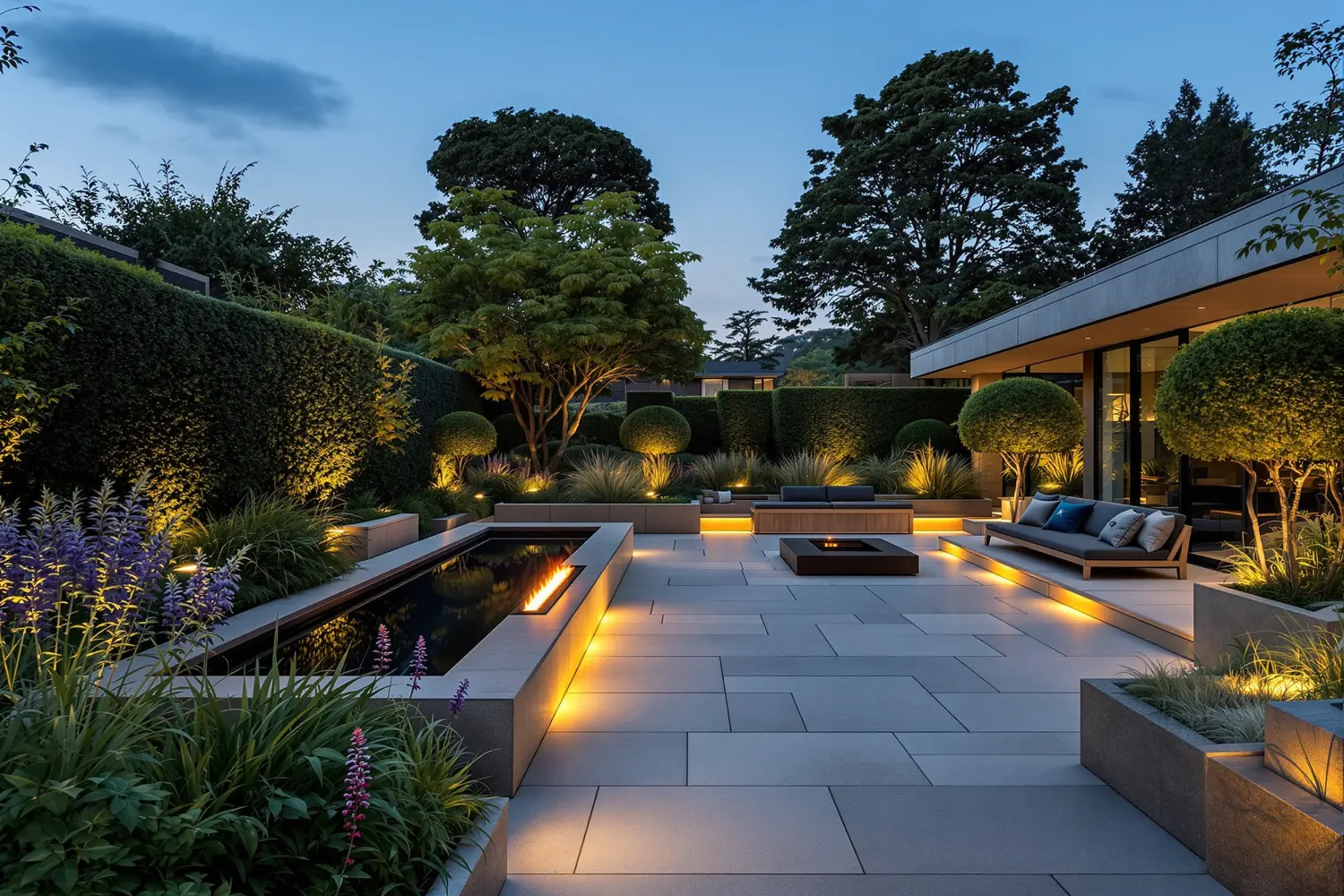
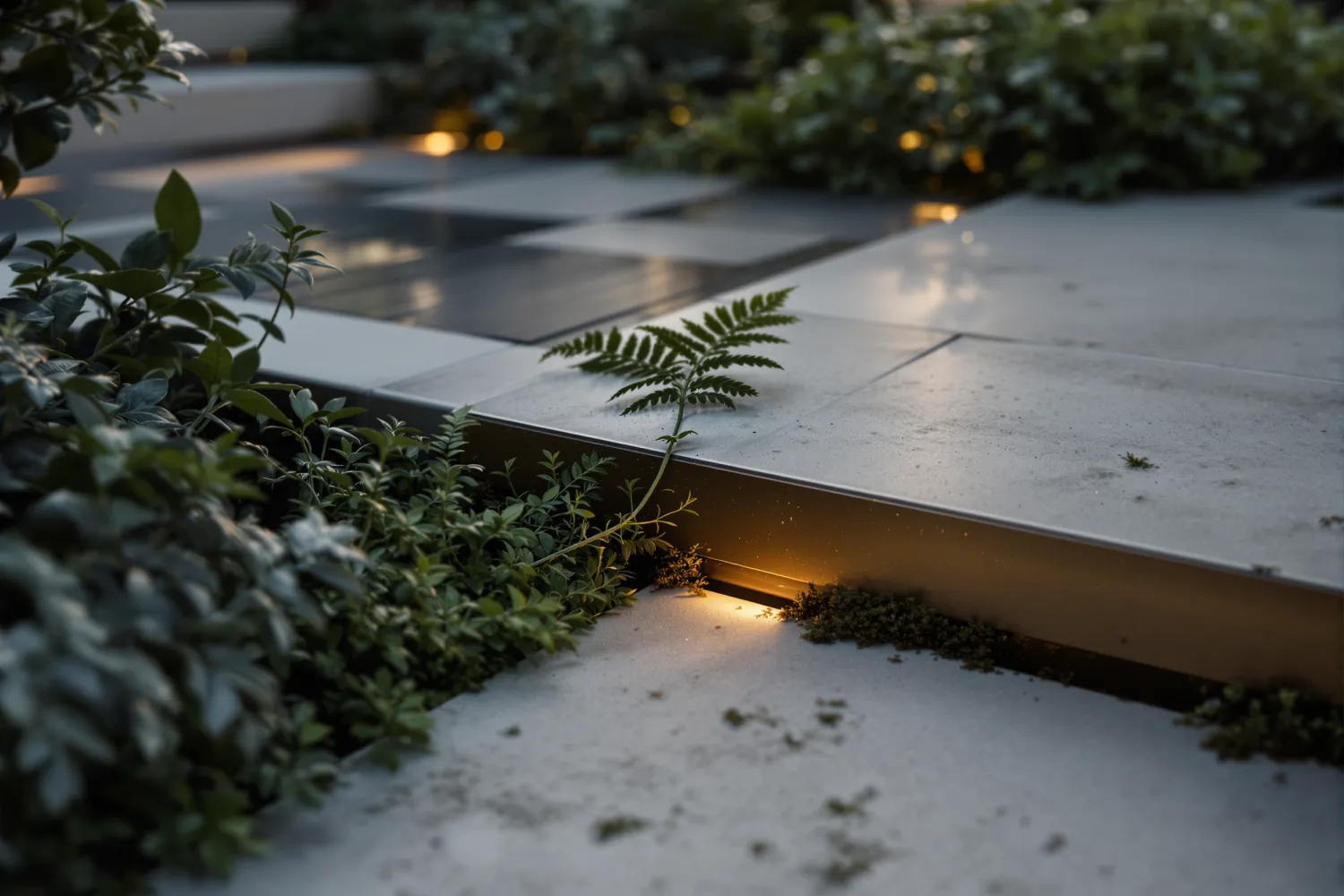
Imagery is illustrative of the studio's work and materials, not a record of specific completed commissions.
Six stages, each earning the next.
No stage begins until the one before it is right. It is slower at the start and far quicker, and far better, by the end.
The brief
A first visit to the garden and a long conversation. We agree how the garden will be used, the budget, the constraints and the appetite, then set it all down in a written design proposal.
Survey
A measured survey of the existing garden: levels, drainage, trees, services and the way light moves across it. The design is driven by the real site, not an idealised one.
Concept design
The creative stage. Scaled plans, elevations and a 3D model establish the structure of the garden, its rooms, its sightlines and its atmosphere by day and after dark.
Detailing
Construction detail for terraces, steps, retaining walls, bespoke joinery and the lighting scheme. The drawings the build team will actually hold in their hands.
Build
Our own team carries out the groundworks, drainage, structures and stonework. The designer who drew it stays close, so decisions on site are made by the people who made the plan.
Planting & seasons
The garden is planted for structure first and season second, so it has shape in winter and movement in summer. We return through the first year to settle it in.
A garden is built in the joints, not the views.The Wilderhart workshop
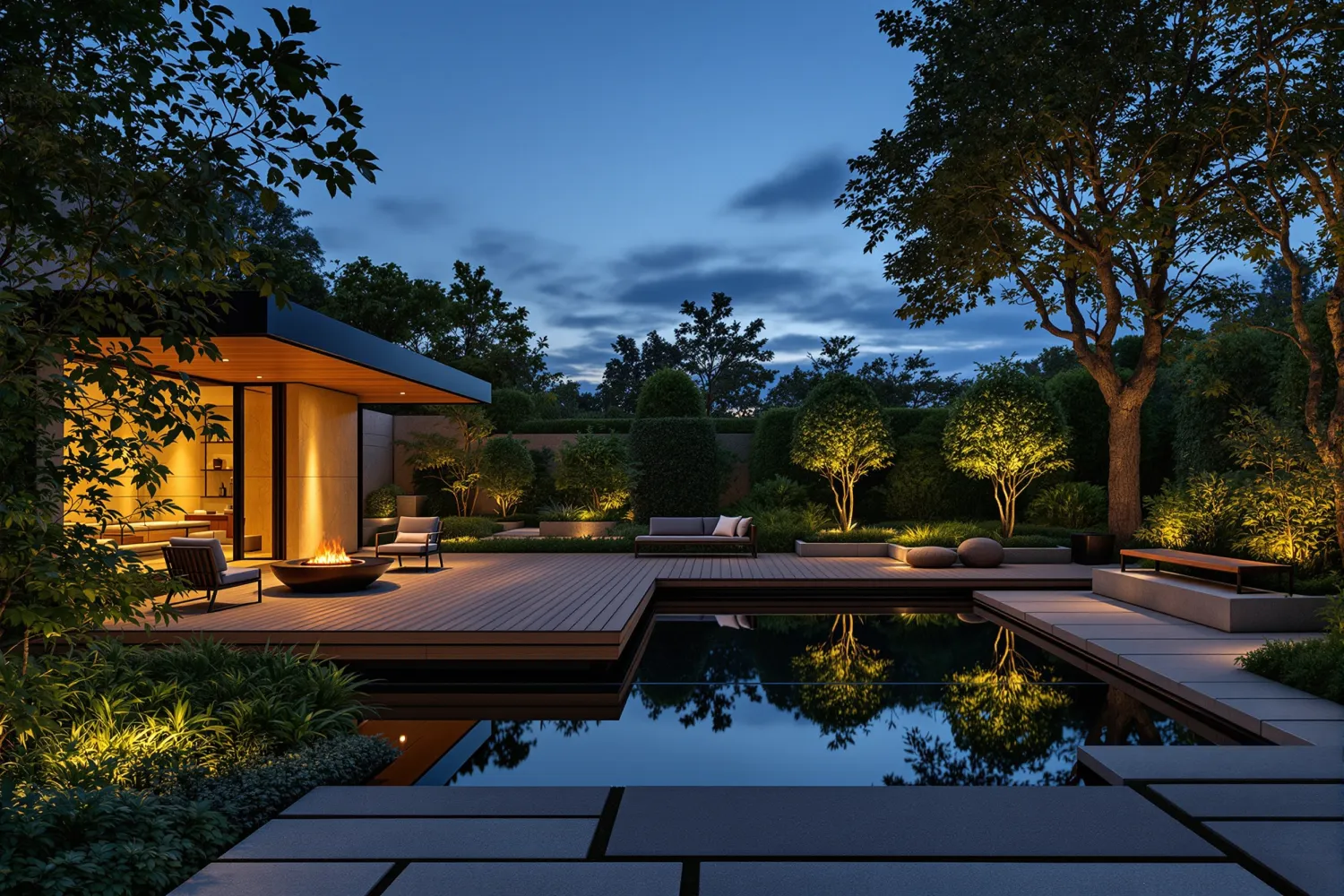
Rooms without a roof.
The best gardens are used after the photographs are taken: a kitchen that holds a long table, a lounge built around warmth, water that carries the last of the light. We design these as proper rooms, with the same care as anything indoors.
What it is like to work with us.
They drew a garden we could not have imagined, then built exactly what they drew. There was never a moment where the design and the reality drifted apart.
The level changes on our plot terrified three other firms. Wilderhart treated them as the whole point of the design. The terracing is the best thing about the garden now.
Two winters in, the garden still has shape and structure when nothing is in flower. That is what told me they had planted it for the long run, not the opening day.
Tell us about your garden.
We take on a small number of private commissions each year. The first conversation is unhurried and costs nothing. If the garden is right for the studio, we will say so, and if it is not, we will say that too.